
Reverse the Trend
Circular Feature:
Circular Feature: Oliver’s Post-Apocalyptic Creation
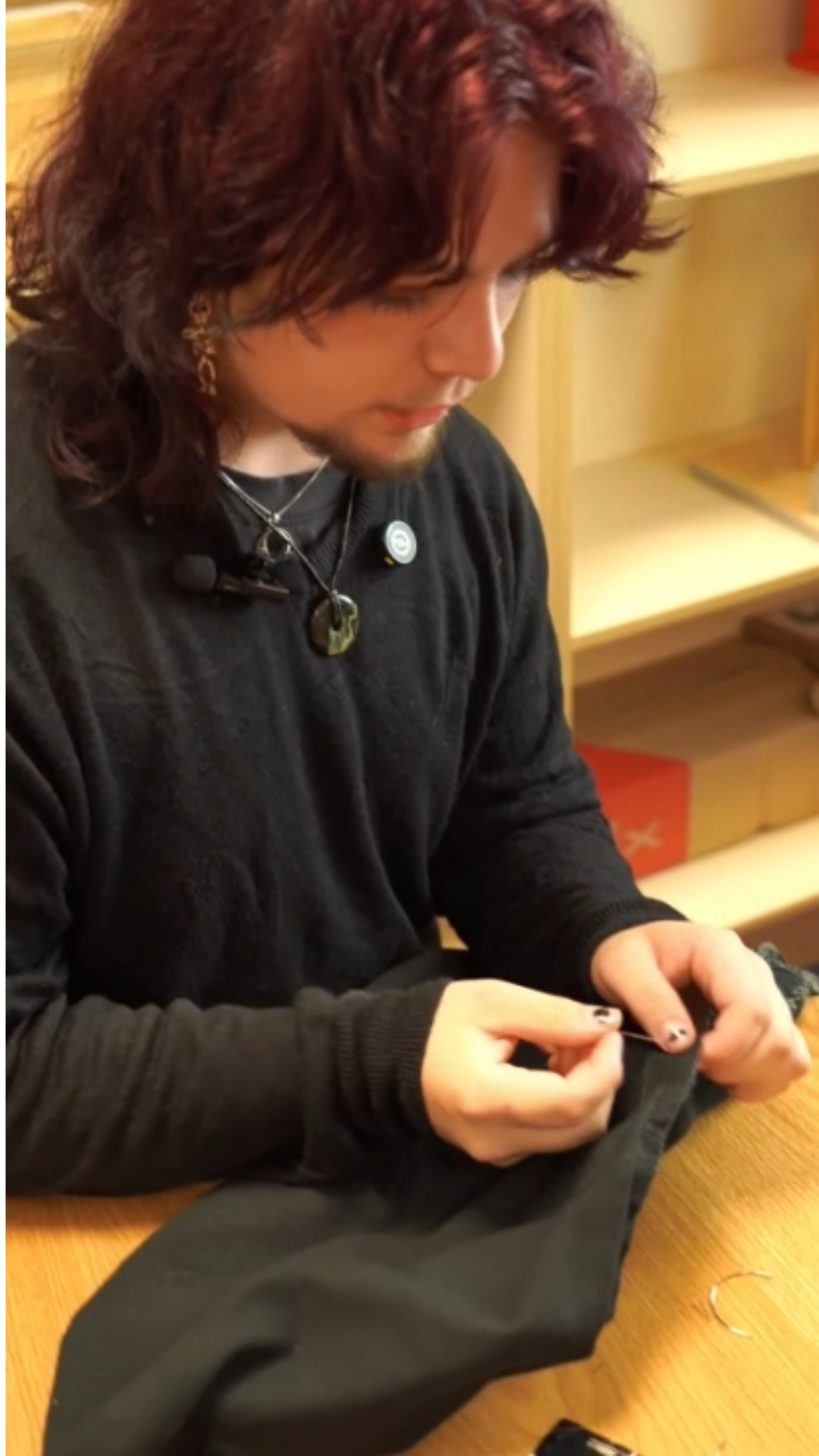
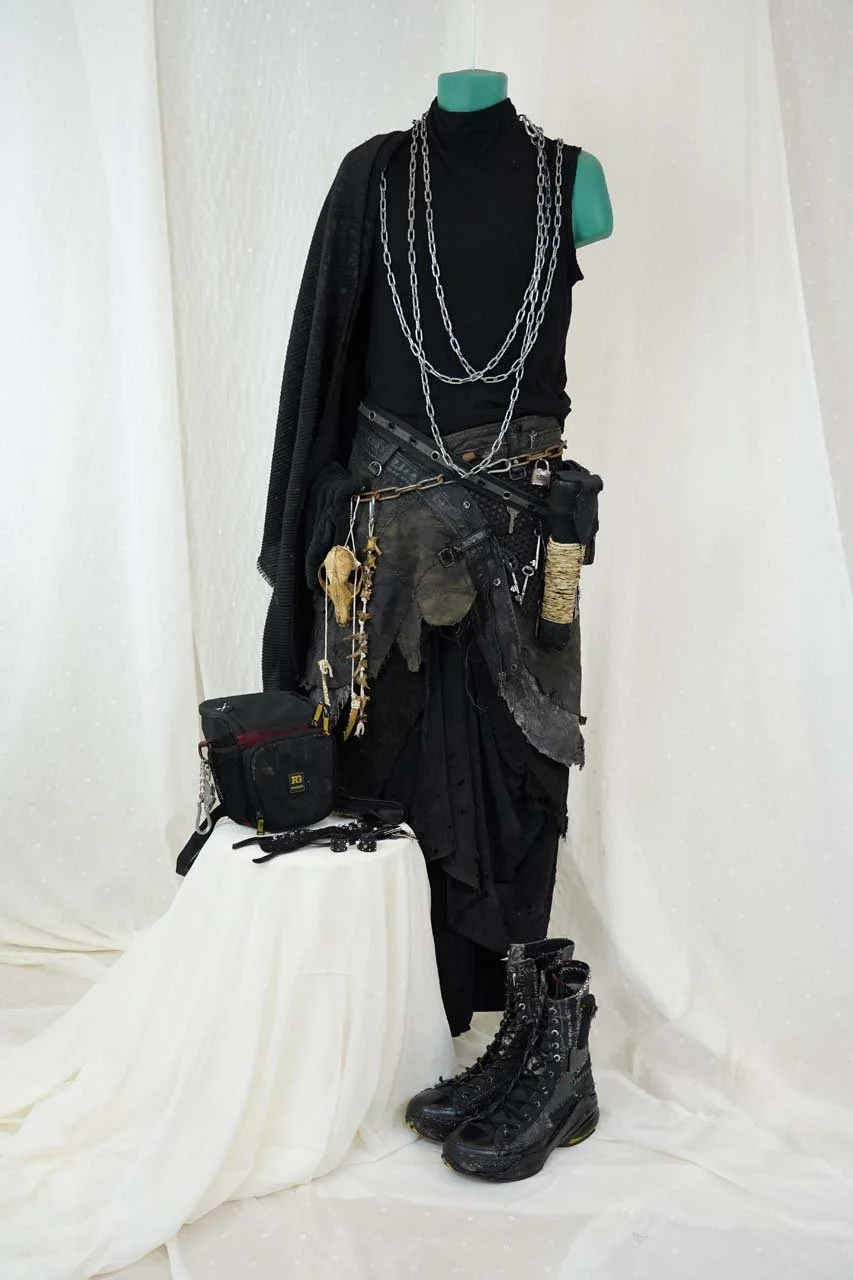
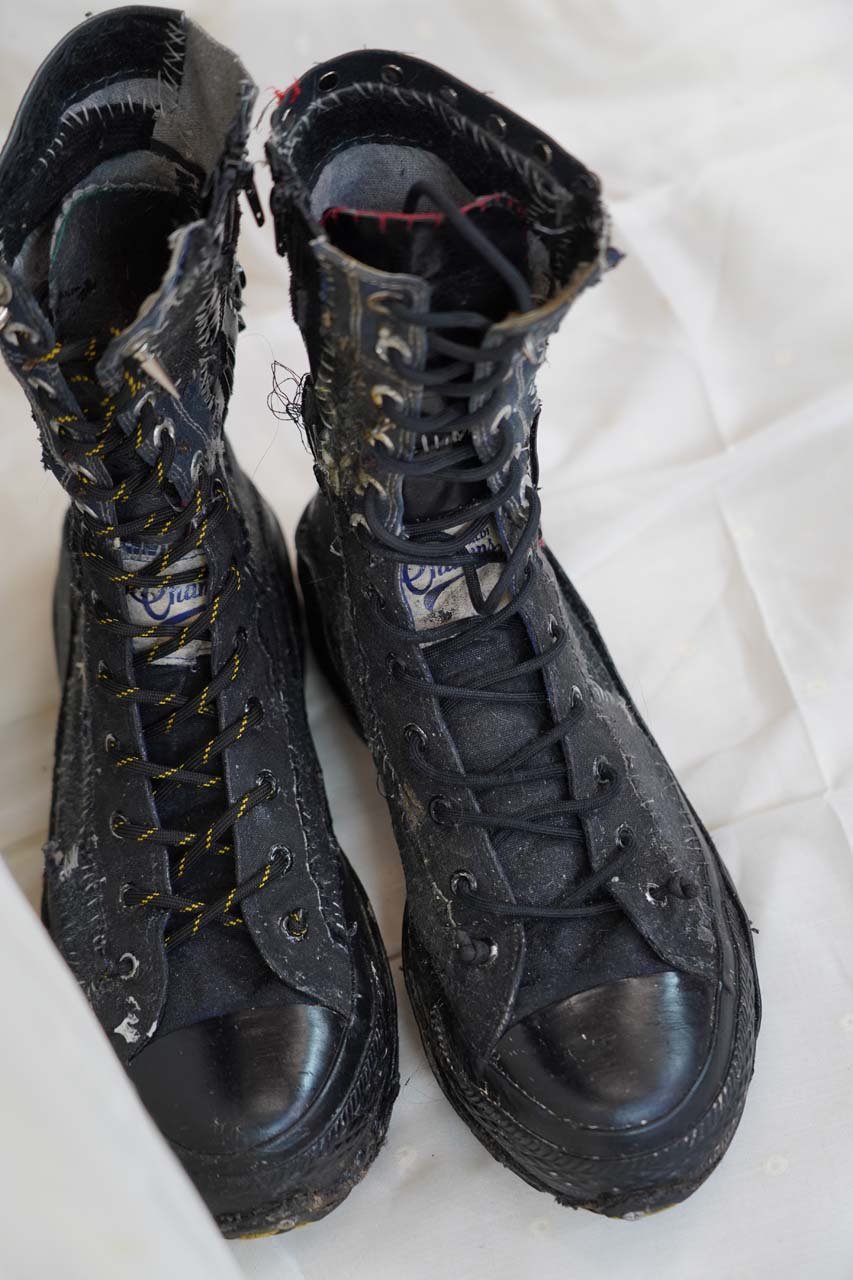
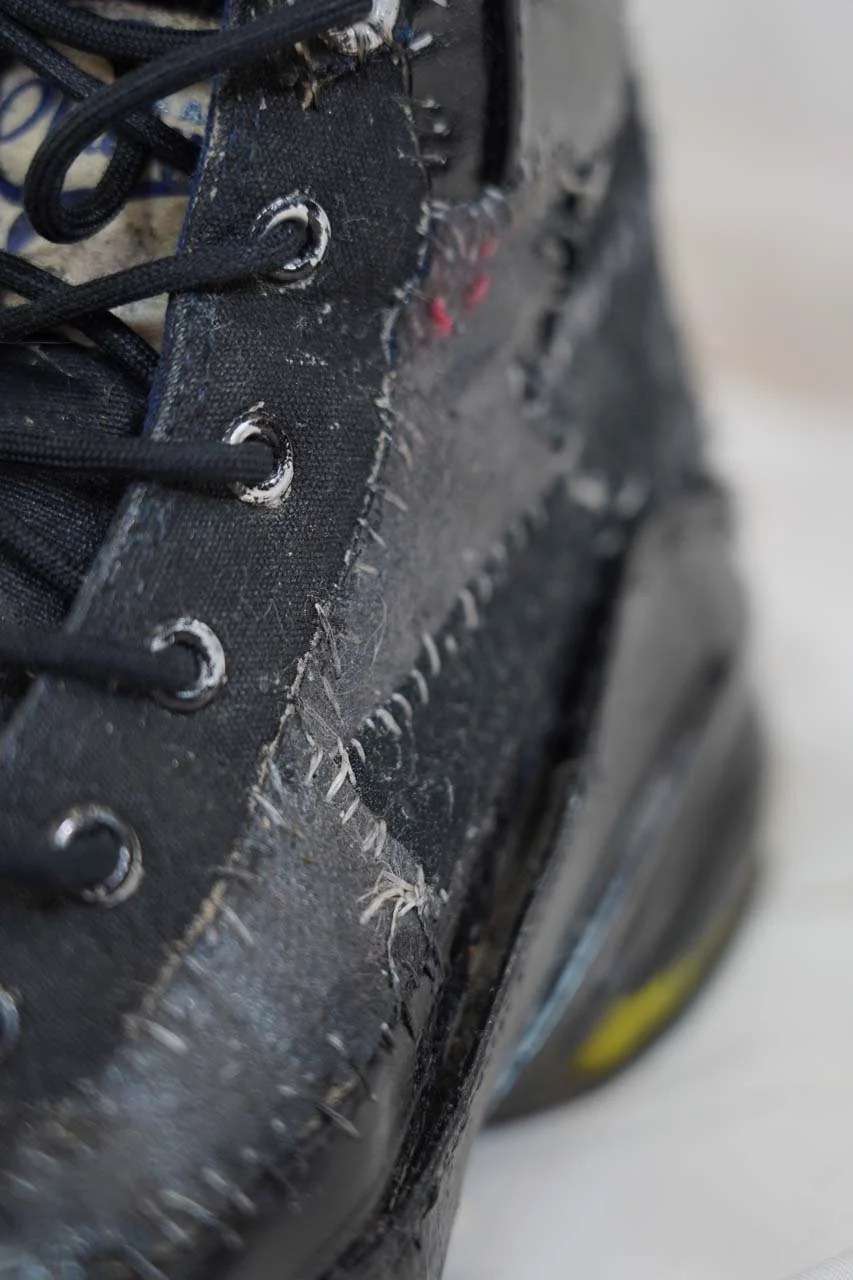
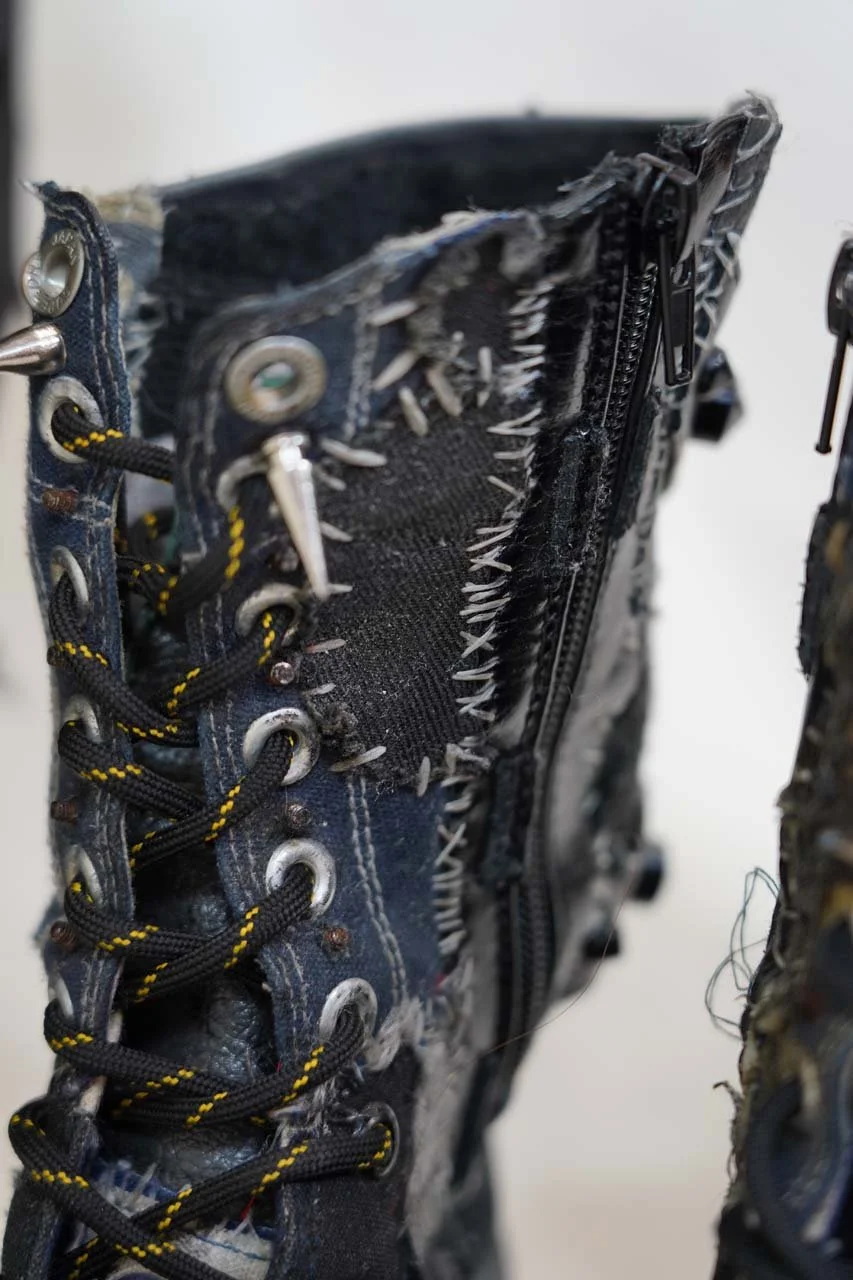
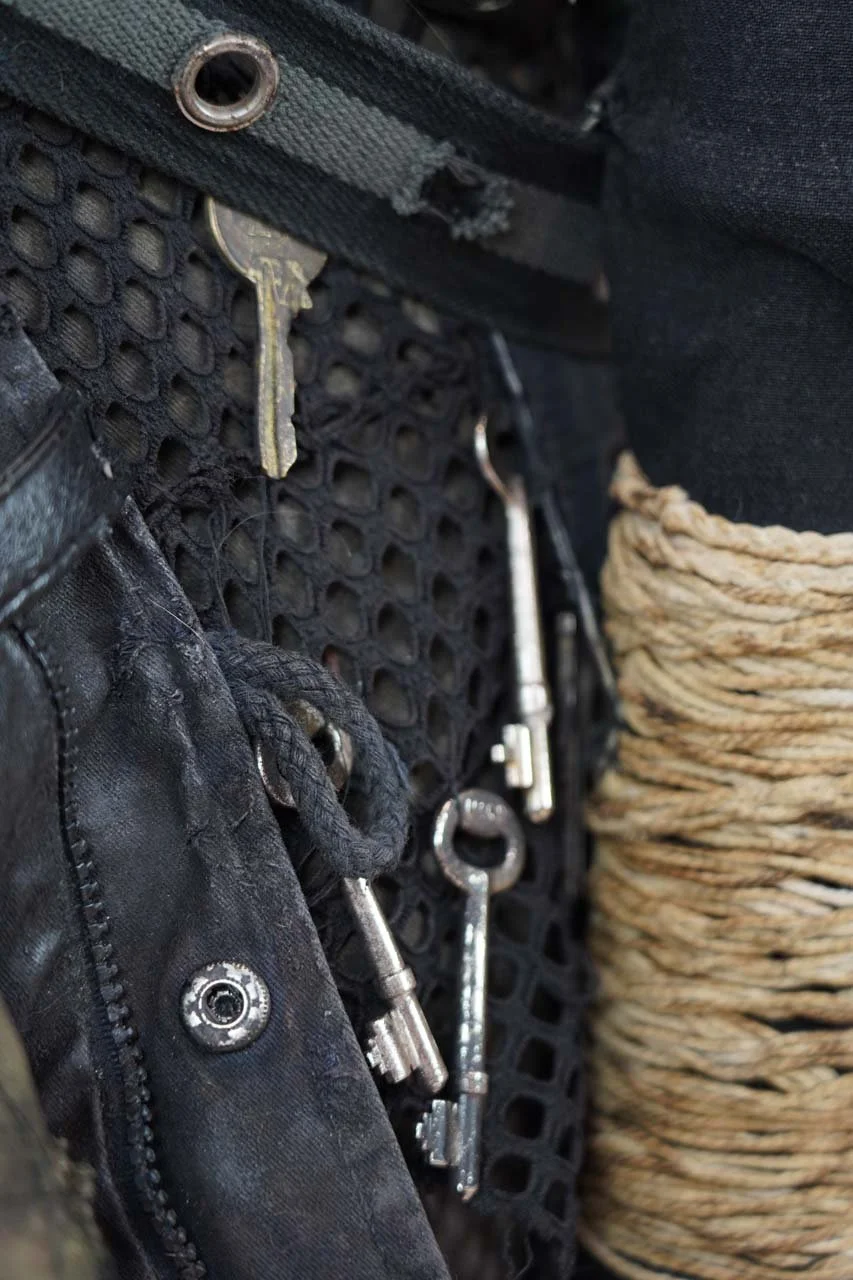
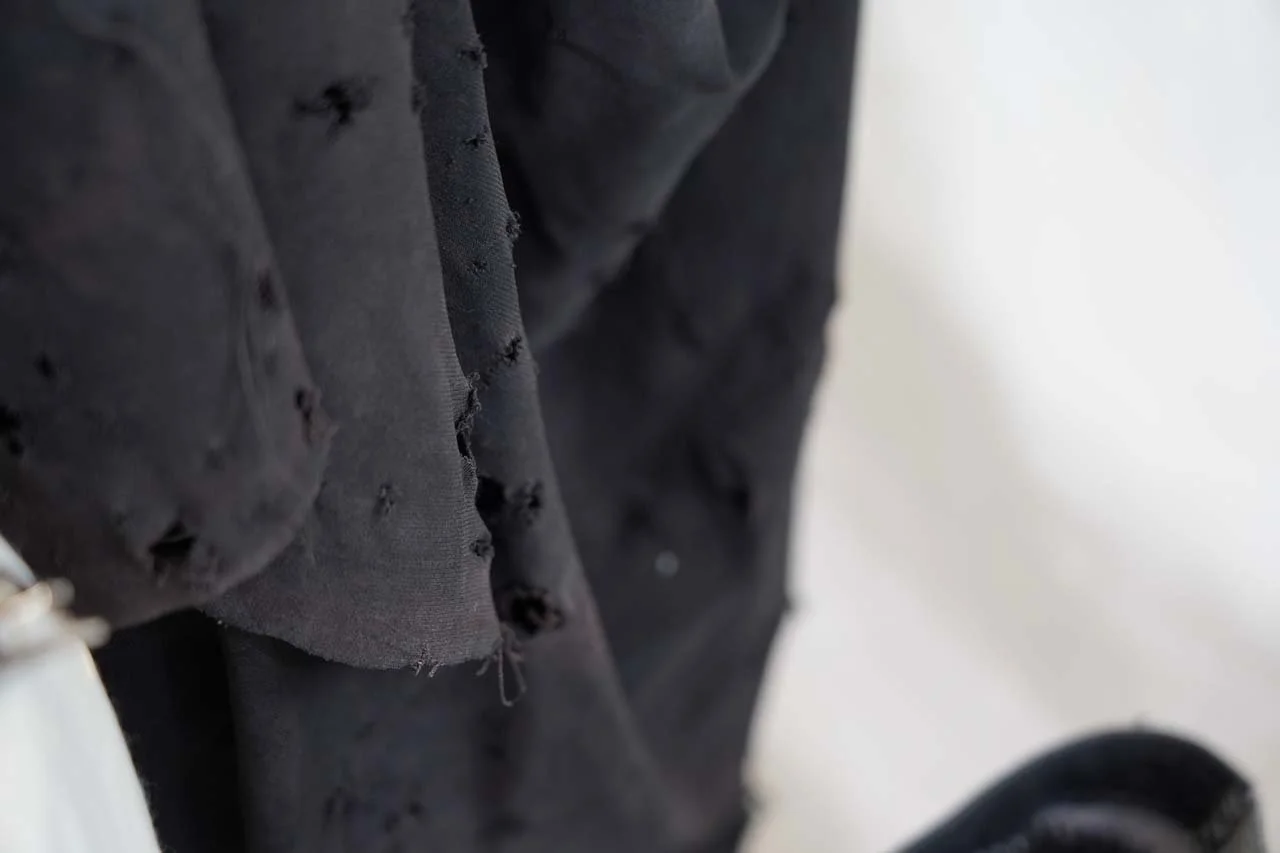
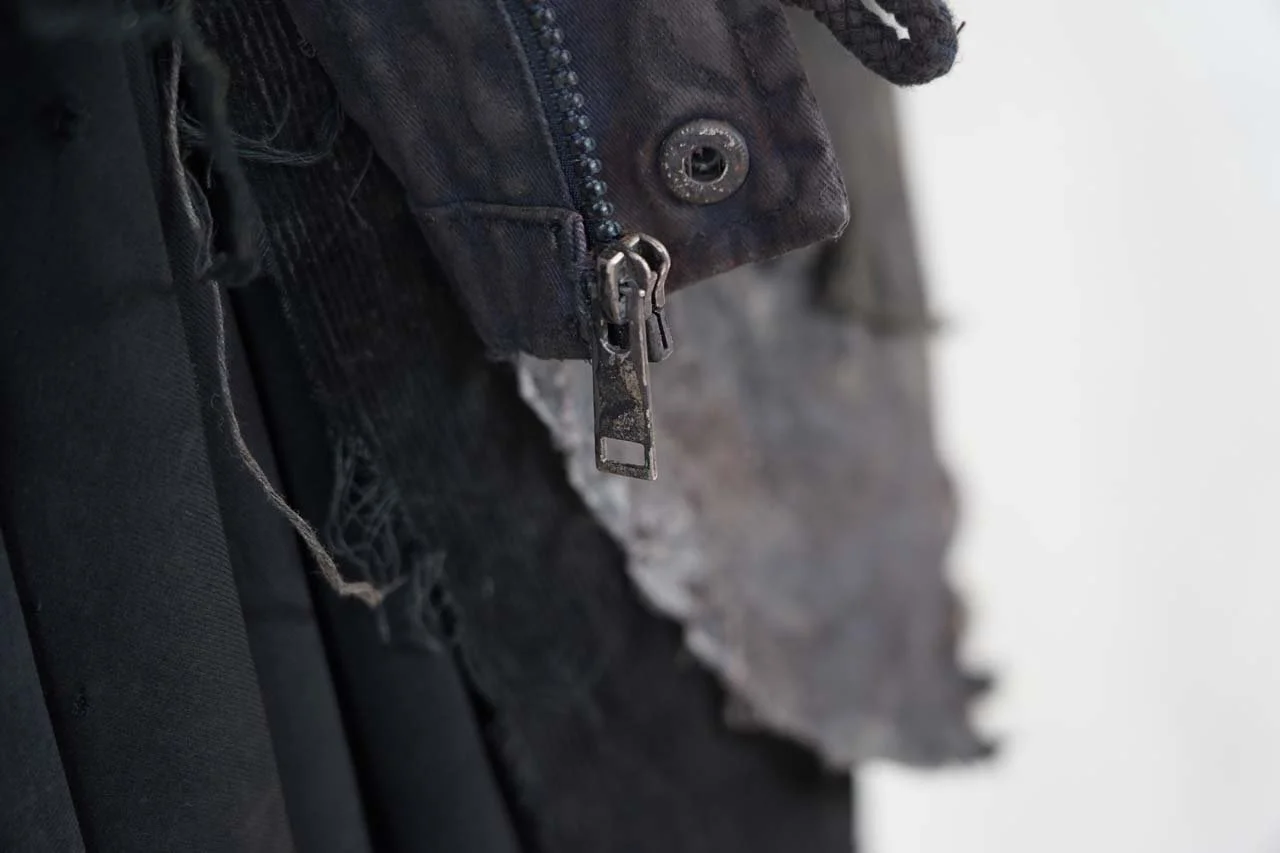
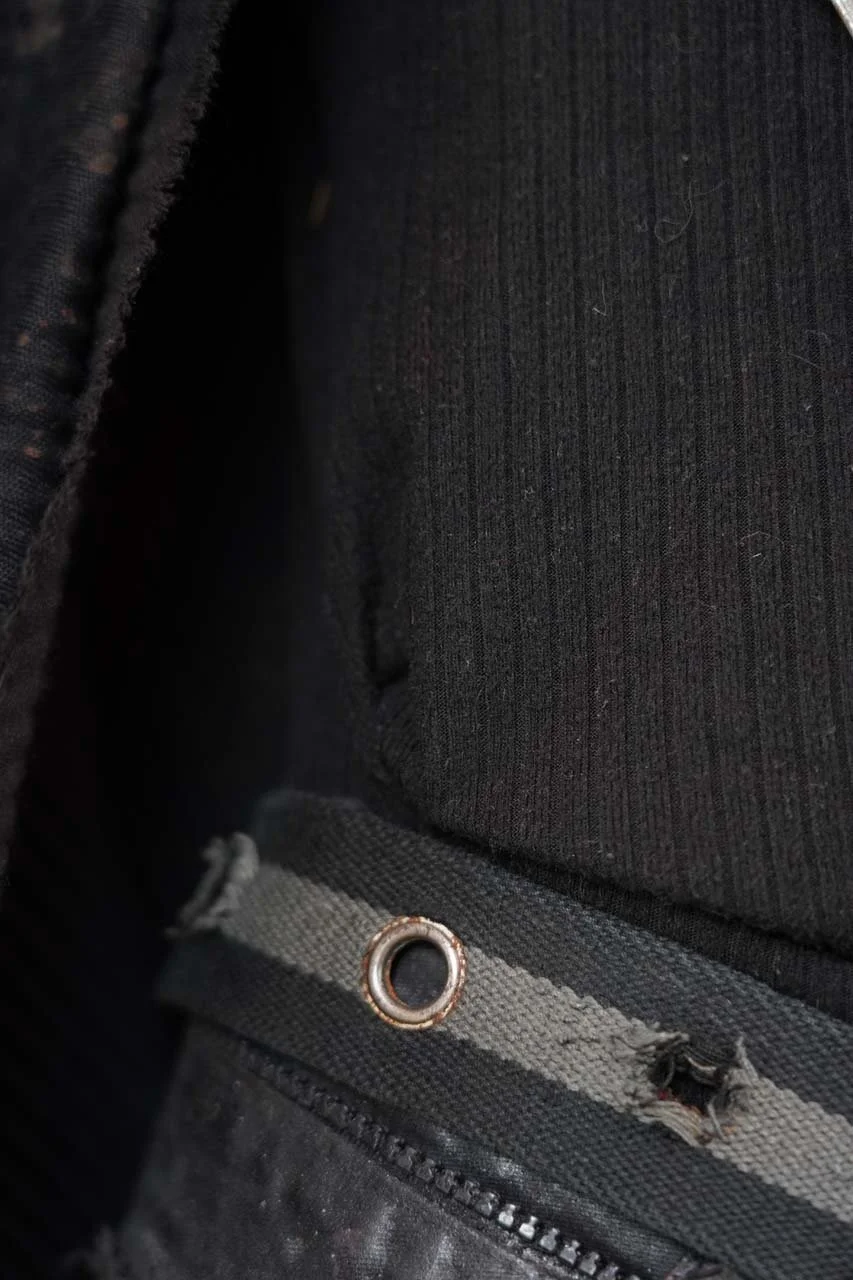
For his entry in the Relove Fashion Competition 2024/25, Oliver took circular fashion to a new dimension, designing and constructing a striking post-apocalyptic scavenger outfit made almost entirely from reused, repaired, and repurposed materials.
Chatting with the Designer
Explore the Video Series
MORE ABOUT THE OUTFIT
-
Oliver’s concept was inspired by post-apocalyptic films such as Mad Max, Tank Girl, and Resident Evil, where each character’s clothing tells a story of survival and identity. He set out to create an outfit that could exist in that world — “a muddy scavenger” look — built from improvised, weathered materials and found objects. The project had been an idea in progress for over a year, but the Relove Competition gave him the push to bring it to life.
Oliver also drew influence from the costume-maker The Nuclear Snail on YouTube, adopting techniques such as using bolts to secure thick fabrics. He wanted every piece to be functional, comfortable, and wearable day-to-day, while still capturing the raw, resourceful aesthetic of a world built from what remains.
-
Every element of Oliver’s outfit was thoughtfully gathered, embodying the principles of wear, share, and repair:
Local second-hand sourcing: Most materials came from his local charity shop in Castleblayney. With support from the shop owner, he received unsold garments destined for textile recycling — keeping them in circulation instead.
Shared and passed-on items: Additional materials came from family hand-me-downs, community charity sales, and clothes that had already lived long lives before arriving in his hands.
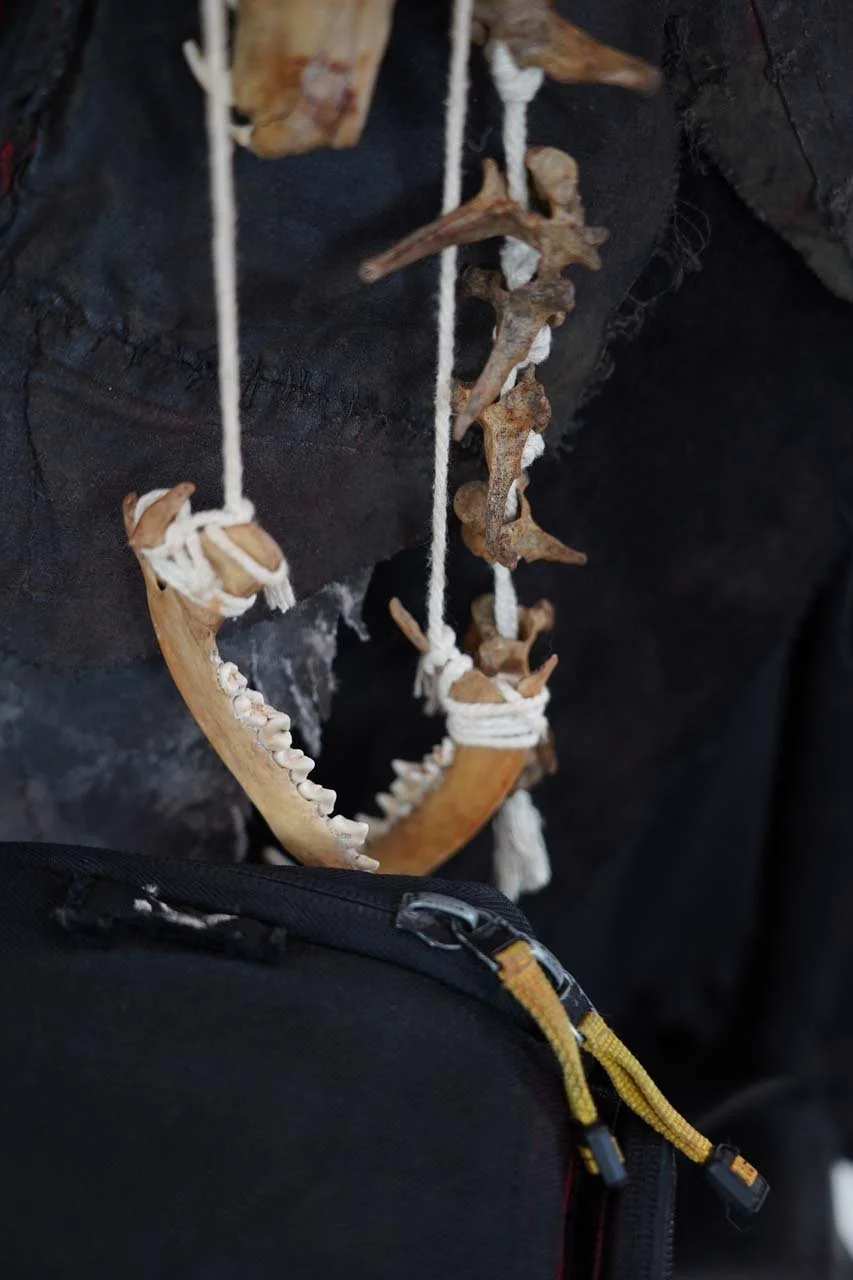
Found, salvaged, and recovered objects: Chains, metal pieces, and even a set of fox bones (discovered in an abandoned farmhouse) were repurposed as decorative and structural elements.
Small but significant details: Keys, pouches, fastenings, and other components were sourced from various preloved items, demonstrating circular design with every scrap!
-
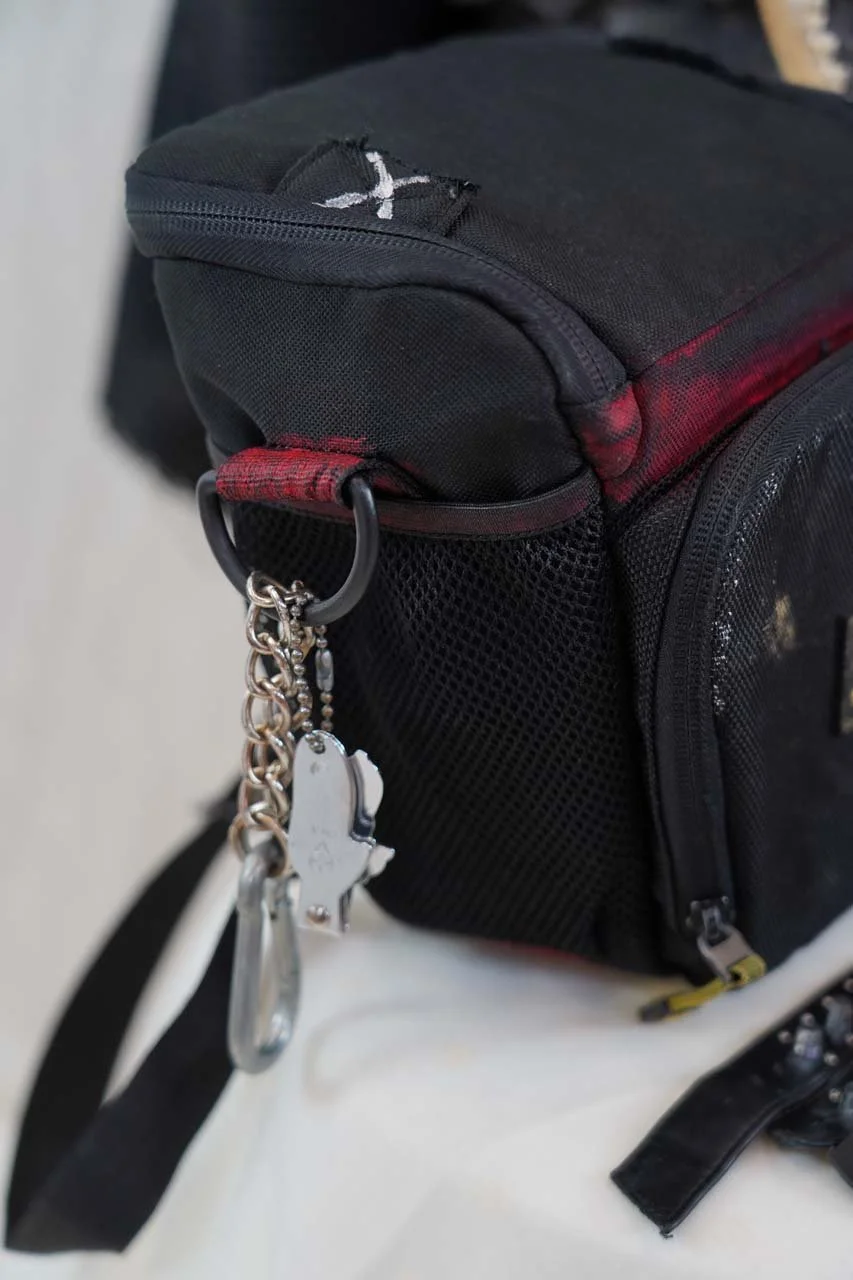
The outfit features cotton, polyester, denim, and canvas, sourced from clothing originally made in Portugal, China, and the United States. Repurposed metal components, including D-rings, chains, and studs, were recovered from handbags, backpacks, and old boots. The gloves are made from organic leather, manufactured in Portugal.
-
Oliver’s creative process involved extensive deconstruction, repair, and reassembly:
The top began as a long-sleeved T-shirt. He removed the sleeves, took it in at the sides, and reshaped it into a practical, fitted vest.
The overskirt was created by taking apart a flak jacket, a chef’s apron, and a pair of jeans. He stitched the elements together, using zips and buckles salvaged from the jacket as a functional waistband.
The underskirt is made from an old bedsheet, distressed with rips, fraying, and hand-painted details to give it a worn, weather-beaten finish.
Beneath both skirts are utility trousers, made by combining two identical pairs of worn-out (and very ripped) work pants into one durable, oversized pair.
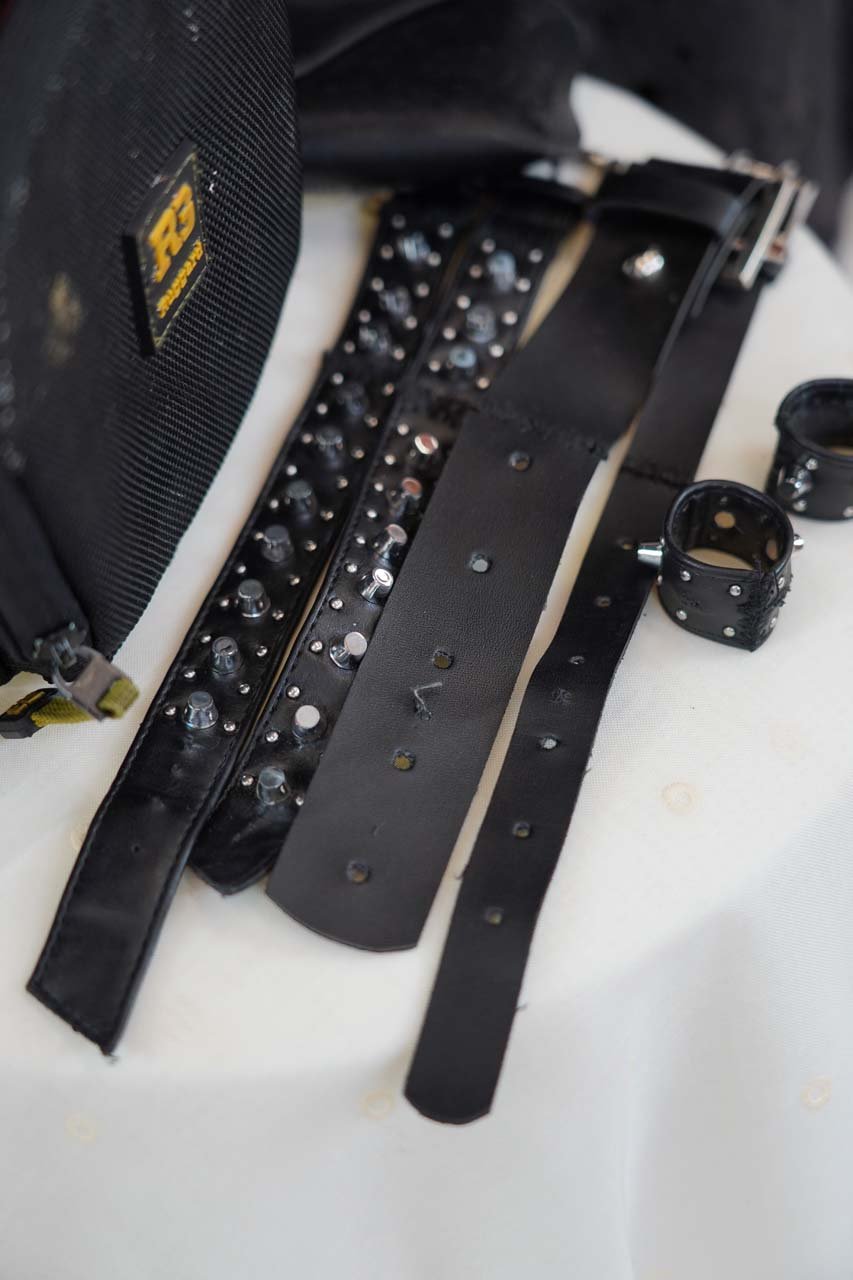
To finish the look, Oliver added a collection of detachable pouches and bags, attached with carabiners and belt loops for practicality. His handmade leather cuffs and rings were crafted from old belt straps, while the gloves, found at the roadside, were cleaned and restored. The fox bones, worn as decoration, add an apocalyptic final touch, a scavenger’s trophy from a world rebuilt from scraps!
-
From reconstructing garments into new silhouettes to salvaging metals, pouches, and leather, Oliver reversed the trend of throwaway fashion, proving just how far creativity can stretch existing resources!
Oliver shows what circular fashion can really do: reversing the throwaway trend through an absolute zero-waste, wear-share-repair approach. We love the creativity behind giving every discarded material a new purpose, proving that sustainability can still be bold and expressive. A reminder that the future of fashion doesn’t need more resources, just smarter, more creative thinking!
This video series was supported by the Department of Climate, Energy and Environment's Reverse the Trend Campaign: Buy less. Rewear. Share. Because that’s what’s trending right now.